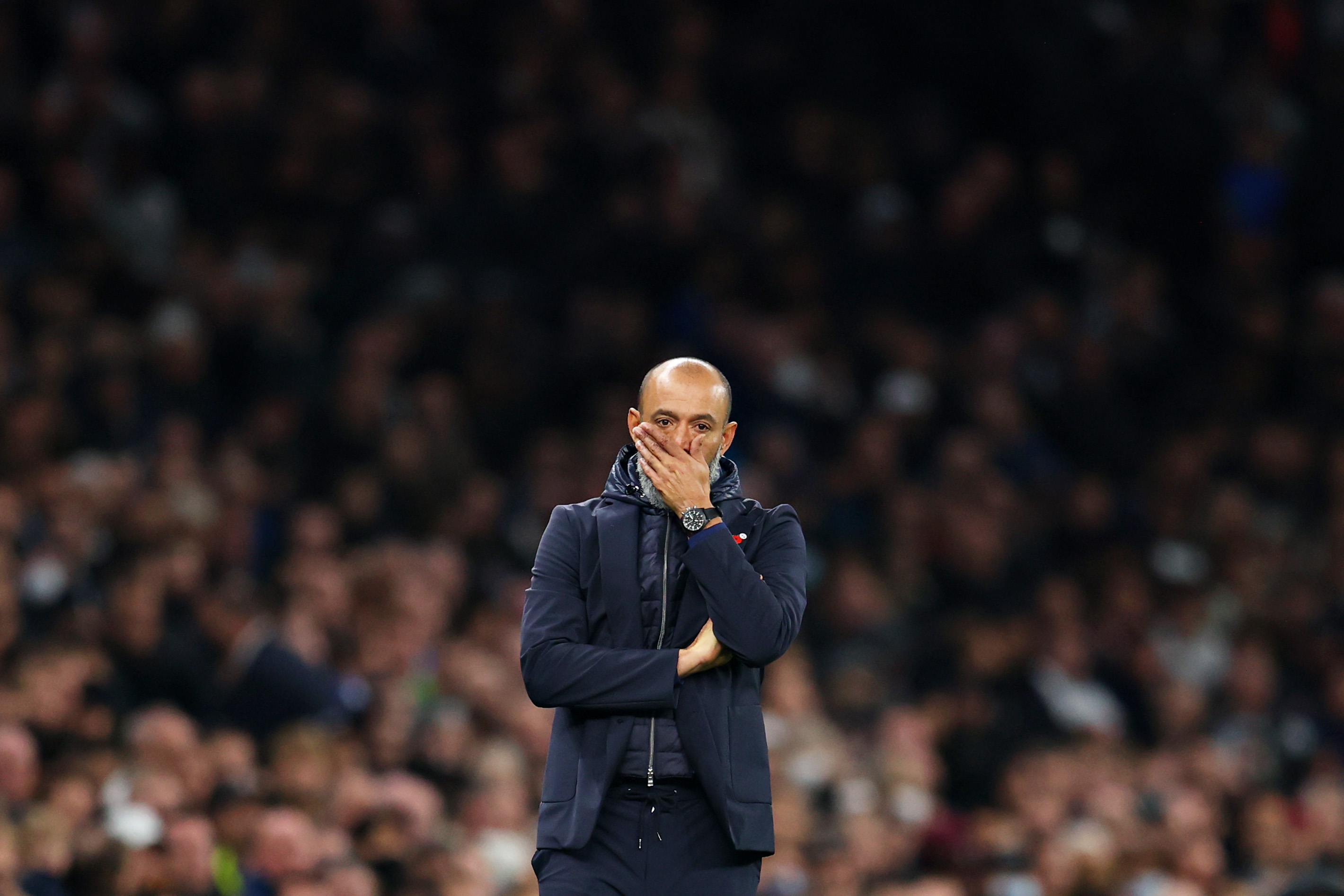
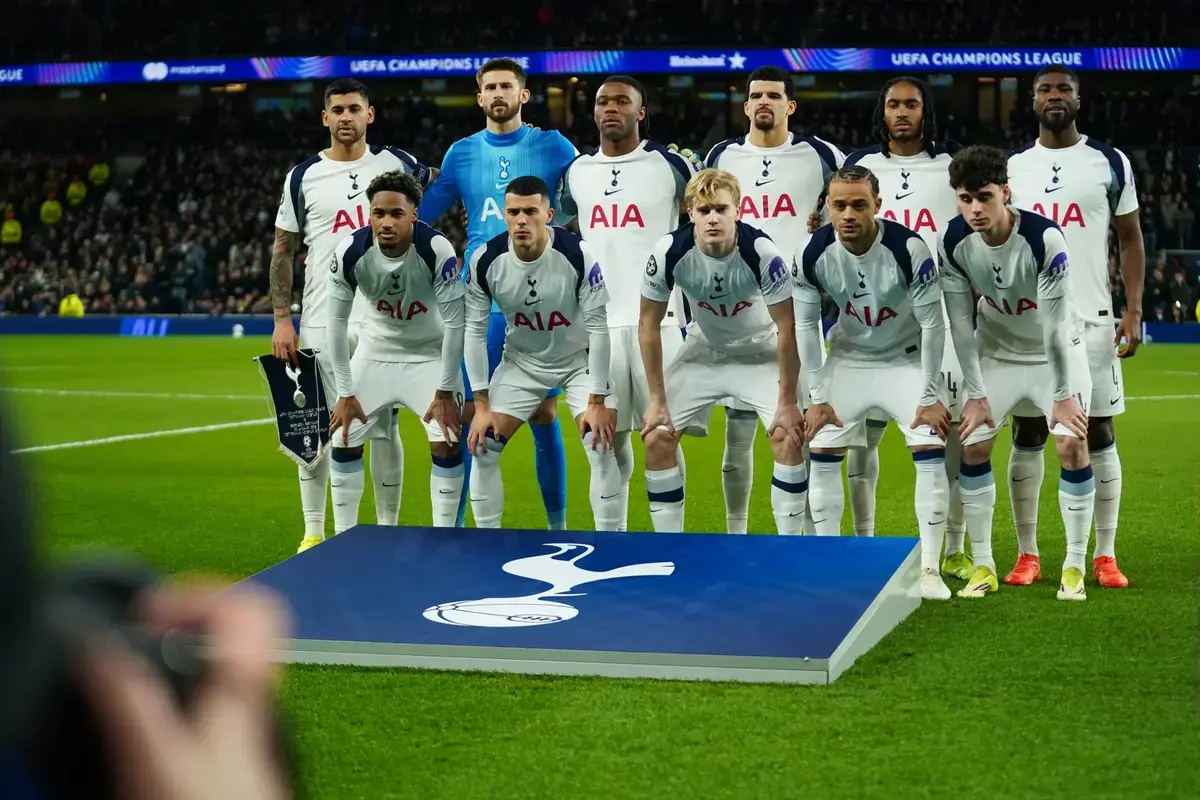
Nuno Espírito Santo’s time at Tottenham Hotspur was brief and largely unsuccessful, making his stint not very important in the club’s long-term history or development. He is remembered more as a transitional or even mistaken appointment rather than a transformative figure.
Nuno was appointed in the summer of 2021 following a chaotic managerial search after José Mourinho’s sacking (and failed pursuits of other top targets).
He lasted only four months (from June/July to early November 2021), overseeing 17 matches across all competitions before being sacked.
Nuno’s record was mixed but ultimately underwhelming for a club with top-six ambitions:
In the Premier League: Around 5 wins, 0 draws, 5 losses in his first 10 games (one of the poorer starts for a Spurs manager in the modern era).
Overall: Approximately 9 wins, 1 draw, 7 losses across those 17 games.
Win percentage hovered around 47-53%, depending on the exact split, which was lower than predecessors like Mourinho (~51%) and notably poor given the expectations.
The tenure was doomed almost from the start due to several factors: Lack of buy-in: Reports highlighted that he was seen as a “fifth-choice” or compromise option by players, staff, and fans after the prolonged search. There was limited alignment with the squad’s playing style or culture.
Style of play: Nuno aimed for a balanced, defensively solid approach (influenced by his successful Wolves spell with a 3-4-3/5-3-2 setup), but it translated to unattractive, low-scoring football at Spurs. The team struggled in the final third, lacked dynamism, and performances were inconsistent.
Poor results: Heavy defeats (e.g., against Chelsea) and a run of losses eroded confidence quickly. The side sat mid-table in the Premier League when he was dismissed.
Post-sacking analyses from sources like The Athletic and The Guardian described it as a “failure of alignment” and “mission impossible,” with his exit seen as inevitable rather than shocking. Few mourned his departure, and it paved the way for Antonio Conte’s arrival, which brought a more defined (if short-lived) uptick.
In hindsight, Nuno’s Spurs spell had minimal lasting tactical or cultural impact. It represented a low point in the post-Pochettino era of instability, but it wasn’t pivotal—more a footnote in Tottenham’s ongoing managerial turnover. Nuno himself later expressed no regrets, viewing it as something that “happened” before moving on successfully elsewhere (e.g., revitalising Nottingham Forest and later West Ham).
Overall, on a scale of importance to Spurs’ history, his tenure ranks very low—far behind managers like Bill Nicholson, Keith Burkinshaw, Mauricio Pochettino, or even the more controversial Mourinho and Conte periods. It was forgettable and quickly overshadowed.