
Tottenham Hotspur’s move into its new stadium marked a financial and symbolic reset, promising a new era of ambition backed by elite infrastructure and increased revenue streams. Recruitment since that transition has been the clearest reflection of how the club has attempted to balance long-term planning with the immediate need to compete. Some signings have elevated the team’s ceiling, others have drained resources without meaningful return, and a few sit in a grey zone that still sparks debate among supporters. Looking back across these deals offers a revealing snapshot of how Spurs have navigated risk, value, and identity in the modern transfer market.
The Financial Reset and Recruitment Philosophy
The opening of the Tottenham Hotspur Stadium fundamentally reshaped how the club approached spending, creating new commercial opportunities while also introducing pressure to justify investment through results.
Matchday revenue increased dramatically, and the club positioned itself as a self-sustaining operation rather than one reliant on external ownership funding. That shift encouraged a model where recruitment leaned toward players with resale value, often younger profiles, rather than established stars commanding higher wages. This approach aimed to balance financial discipline with competitiveness, but it also created tension when immediate results were required on the pitch.
Stadium revenue and transfer strategy became tightly linked, with Spurs carefully structuring deals to avoid financial overreach. The club’s leadership emphasised sustainability, ensuring that spending aligned with long-term growth rather than short-term splurges. This cautious stance shaped the type of players targeted, prioritising potential appreciation in value alongside performance contributions.
Tanguy Ndombele – Record Signing, Lingering Frustration
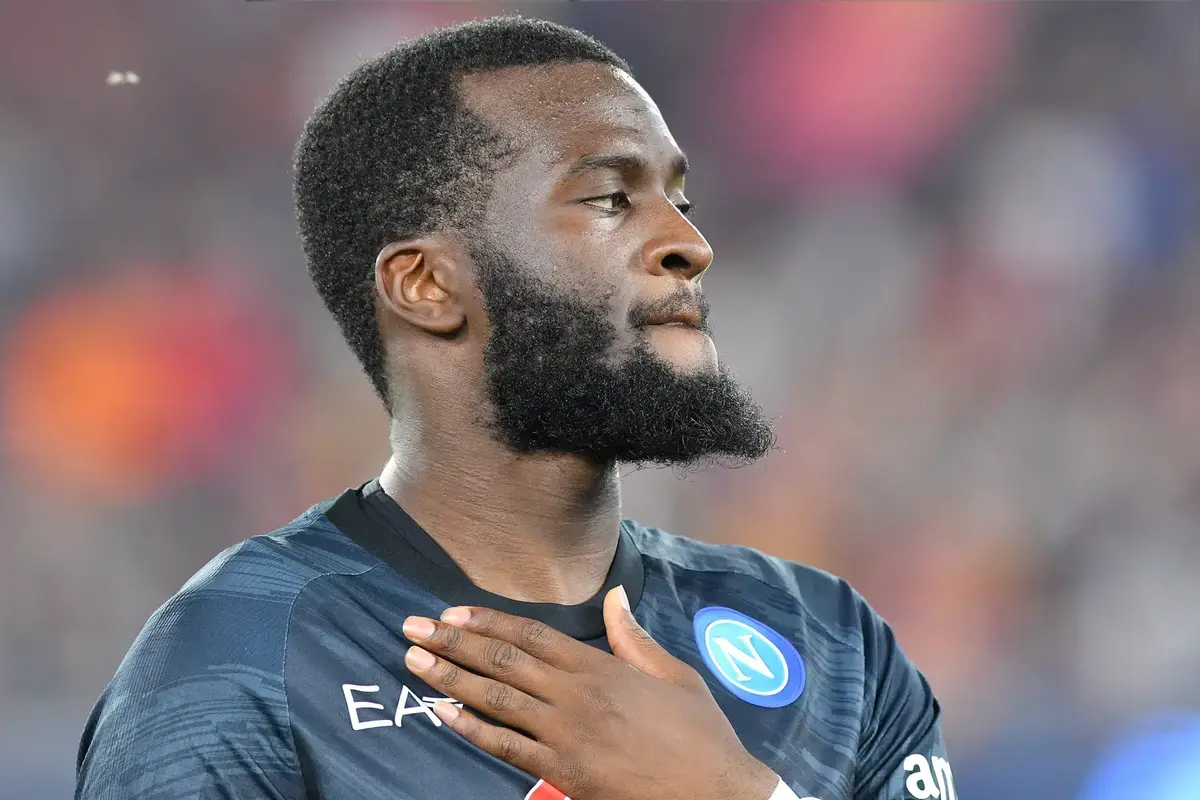
Tanguy Ndombele arrived as a club-record signing, expected to transform midfield dynamics with his technical ability and ball progression. His early flashes hinted at elite potential, but inconsistency and fitness issues quickly overshadowed those moments. The investment became difficult to justify as his influence waned, leading to loan moves that symbolised a breakdown between talent and application. His case remains one of the most discussed examples of risk in Spurs’ recruitment strategy, where potential did not translate into sustained impact.
Talent versus application defined his time in North London, as moments of brilliance were too often followed by periods of disengagement. The gap between expectation and reality turned what should have been a transformative signing into a cautionary tale.
Giovani Lo Celso – The In-Between Case
Giovani Lo Celso represents a more nuanced evaluation, falling somewhere between success and failure. Signed with high expectations after impressive performances in Spain, his Spurs career was repeatedly interrupted by injuries. When available, he showed intelligence and technical quality, yet never fully established himself as a consistent starter. His transfer highlights the challenges of projecting success across leagues and systems, particularly when physical setbacks disrupt continuity.
System fit and injury disruption combined to limit his overall impact, leaving supporters to wonder what might have been had he enjoyed a more stable run of fitness.
Pierre-Emile Højbjerg – The Reliable Backbone
Pierre-Emile Højbjerg quickly became one of the most dependable figures in the squad after his arrival. His leadership qualities, durability, and tactical discipline brought stability to midfield during a period of managerial changes. While not the most glamorous signing, his consistency justified the investment and demonstrated the value of acquiring players with proven Premier League experience. His presence often bridged the gap between Spurs’ developmental ambitions and the need for immediate reliability.
Leadership and consistency became his defining traits, ensuring that he delivered value across multiple seasons regardless of tactical shifts around him.
Cristian Romero – Defensive Transformation
Cristian Romero’s signing signaled a shift toward acquiring players ready to elevate the team’s level immediately. His aggressive defending, aerial strength, and confidence on the ball reshaped Spurs’ defensive identity. Unlike some earlier signings, Romero arrived with a clear pedigree and quickly validated his reputation. His impact underscores the importance of balancing project signings with players capable of delivering from day one.
Aggression and elite potential made him a cornerstone of the back line, illustrating how targeted recruitment can reshape a team’s structure.
Richarlison – High Fee, Mixed Return
Richarlison’s arrival came with significant financial commitment and expectations of goals and versatility. His contributions have been marked by moments of intensity and effort, but consistency in front of goal has been questioned. The gap between his fee and his statistical output has fueled debate about value, especially in a squad seeking reliable attacking production. His case illustrates the difficulty of translating prior success into a new tactical environment.
Output versus expectation remains central to discussions around his role, with flashes of quality yet to fully justify the scale of investment.
Dejan Kulusevski – Immediate Impact Signing
Dejan Kulusevski made an instant impression, offering creativity, directness, and a strong work ethic. His ability to influence matches early in his Spurs career stood in contrast to slower-burn signings. The structure of his deal also reflected a more cautious financial approach, aligning performance with long-term commitment. His success demonstrates how targeted recruitment can deliver both immediate and sustained benefits.
Creativity and work rate allowed him to integrate seamlessly, making him one of the more effective acquisitions of the stadium era.
The Project Versus Proven Player Debate
Supporters who grumble about wasted fees and wages are usually applying the same basic common sense they use everywhere else online: before they buy into anything—from a glossy new winger to one of the many slots sites UK they’re pitched on social media—they want to know what’s behind the marketing and whether the fundamentals actually make sense. Spurs’ recruitment history since the stadium move reflects this tension, where high-upside projects sometimes failed to deliver while more established players provided stability.
Balancing risk and certainty has become a defining challenge, shaping both successes and failures across multiple transfer windows.
Managerial Changes and Recruitment Inconsistency
Frequent managerial changes have complicated Spurs’ transfer strategy, with each coach bringing different tactical requirements. Players signed for one system often struggled to adapt when philosophies shifted. This lack of continuity has contributed to several underwhelming transfers, as the squad composition became a patchwork of differing profiles rather than a cohesive unit built around a single vision. Shifting tactical demands created instability, making it difficult for certain signings to find their place within the evolving structure of the team.
Commercial Growth Versus Footballing Return
The club’s commercial success since moving stadium has been undeniable, yet questions remain about how effectively that revenue has been translated into on-field improvement. While Spurs have spent significantly, the return on investment has varied widely. Some deals have delivered clear value, while others have raised concerns about scouting, decision-making, and long-term planning.
Revenue allocation questions continue to surface, particularly when high-profile signings fail to deliver expected returns.
Are Spurs Learning From Past Mistakes?
Recent transfer windows suggest a more balanced approach, combining younger prospects with players ready to contribute immediately. There appears to be greater emphasis on character, adaptability, and tactical fit. Whether this represents a lasting shift or a temporary correction remains to be seen, but the lessons from previous successes and failures are clearly influencing current decisions.
Signs of strategic adjustment point toward a more refined recruitment process, one that aims to avoid repeating costly errors.
The Road Ahead for Recruitment
Tottenham’s challenge moving forward lies in refining a recruitment model that aligns financial prudence with competitive ambition. The stadium provides the economic foundation, but success depends on smarter decision-making in the transfer market. Identifying players who can both grow in value and deliver consistent performances will determine whether Spurs can convert their off-field strength into sustained success on the pitch.
Building a sustainable competitive model remains the ultimate objective, requiring discipline, clarity, and a sharper understanding of what truly drives success.
