
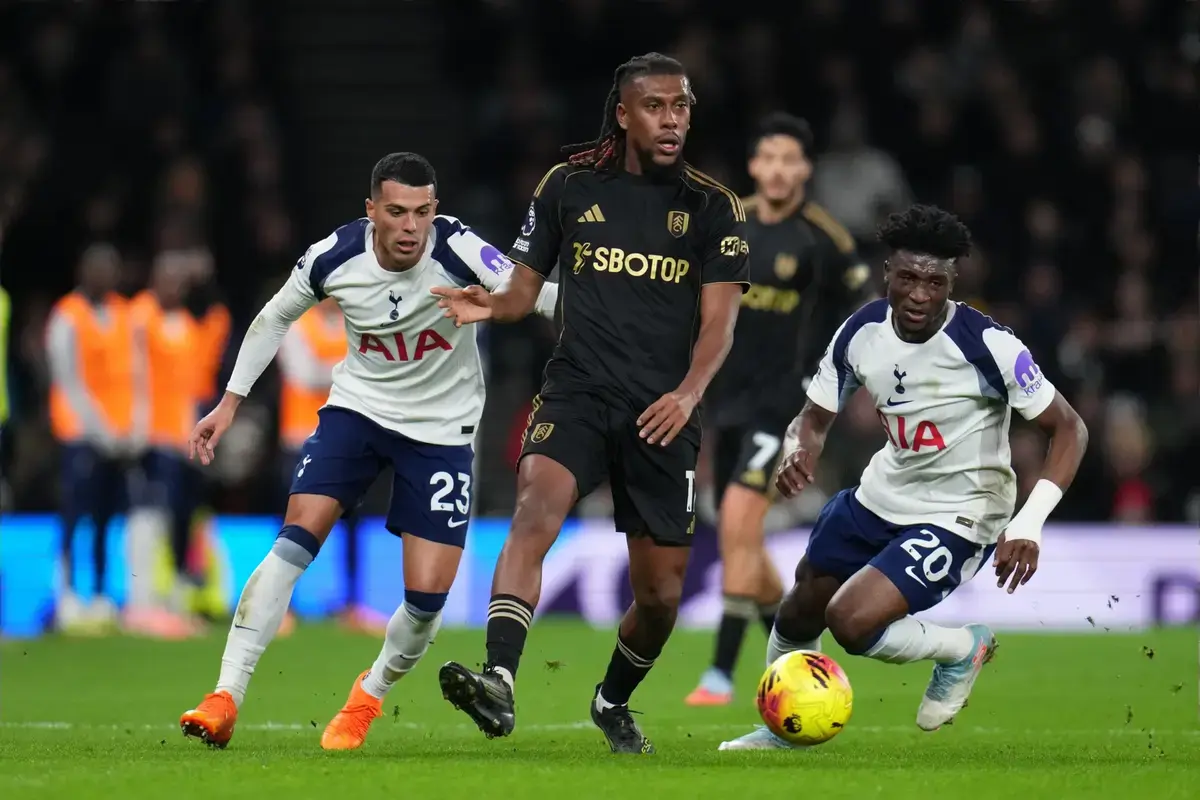
Mohammed Kudus, Tottenham’s attacking midfielder, is currently sidelined with a significant quad (thigh/quadriceps) injury, with a recent setback that may well require surgery.
Initial injury
This occurred on January 4, 2026, during Tottenham’s Premier League match against Sunderland (1-1 draw). He was substituted after about 19 minutes with what the club described as a “significant quad injury,” specifically involving the quad tendon. He has not played since.
Expected Recovery:
Initially, a return was anticipated after the March international break, with progress noted in training (including some ball work). As recently as early April, he had returned to team training.
Recent Setback:
Kudus suffered a recurrence or aggravation of the quad issue (some reports mention related hamstring/quad problems). He has not featured in recent training footage. Tottenham issued an official statement confirming the setback, noting he will need further specialist review and potentially surgery.
Kudus’ case appears to involve the tendon, with initial conservative management followed by a setback and potential surgical review.
Quad injury recovery (quadriceps muscle strain/tear or quadriceps tendon injury) varies significantly by severity, location (muscle belly vs. tendon), and whether surgery is needed. For professional athletes like Mohammed Kudus (described as a “significant quad injury” involving the quad tendon, with a recent setback possibly requiring surgery), timelines are often longer due to the high demands of explosive movements in football.
After ~3 months sidelined, a setback may mean 3+ more months if surgery occurs—potentially missing the rest of the season and risking 2026 World Cup participation.
This is general information from medical sources, not personalised advice. Recovery must be guided by club doctors, surgeons, and physiotherapists with imaging and functional testing.
“Premature return risks chronic issues”, was a phrase that caught our eye.
NBA data shows ~78% return to play, with pre-injury performance often regained in 1–2 seasons (but fewer games initially).
