
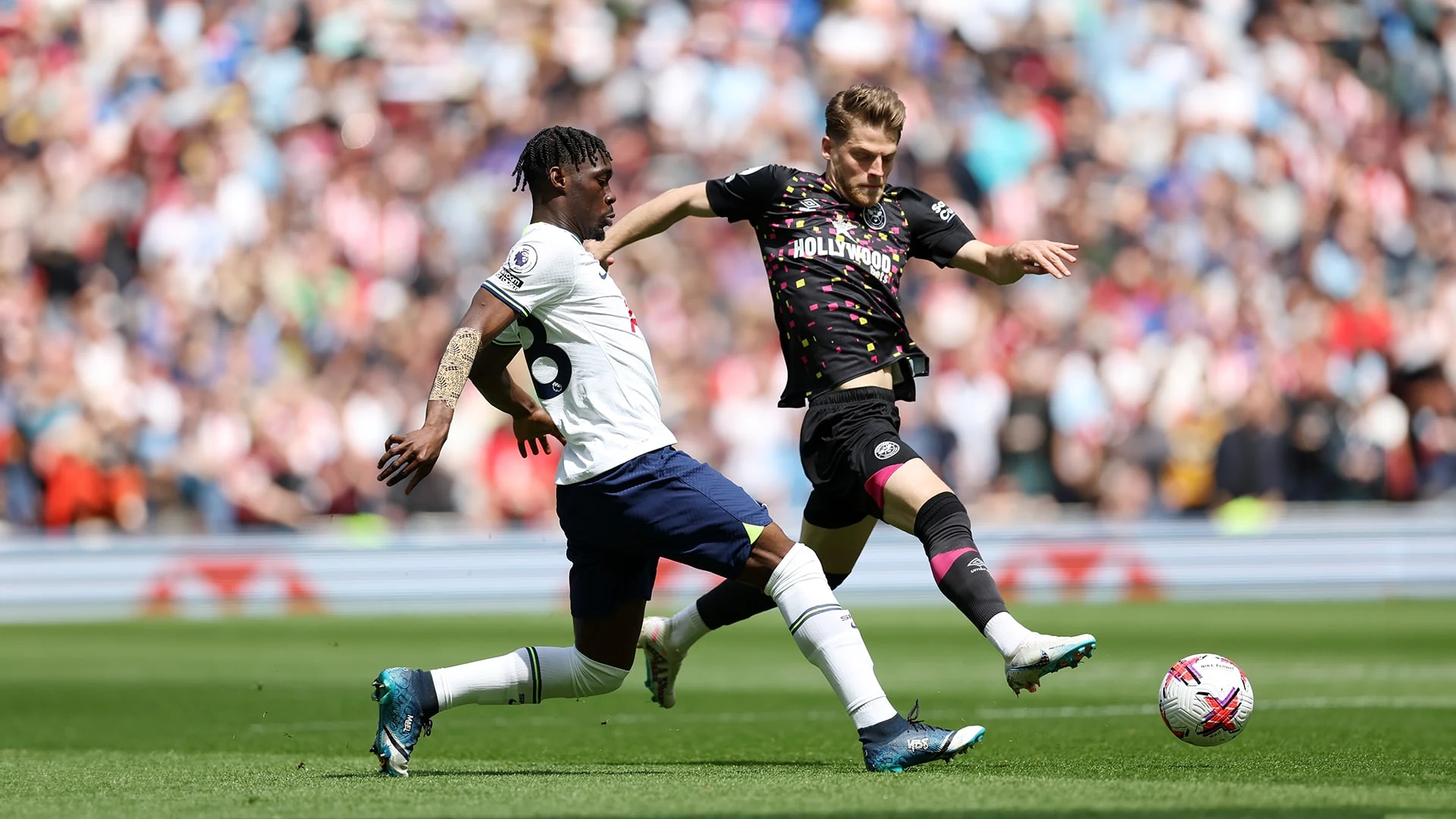
Tottenham Hotspur sit bottom of the Premier League in 20th place, without a win and with just two points from five games. They failed to score in their opening four league matches for the first time in the club’s history, before finally getting off the mark in a 3-2 defeat to Aston Villa, when Conor Gallagher and Jan Paul van Hecke scored late consolation goals that did nothing to change the result.
That is a grim return by any measure, and Spurs fans have seen enough dreadful starts down the years to know when to worry properly. But the underlying numbers this season tell a more layered story than the table suggests, and there is a case – cautious, not celebratory – that the problem is narrower than it looks.
A £400 million rebuild was never going to click overnight
Roberto De Zerbi is in his first full season in charge, having taken over a squad that finished last term fighting relegation. The club backed him with around £400 million spent on 10 new signings over the summer, a squad rebuild of real scale rather than a top-up of an existing group.

The results so far look almost identical to last season’s struggles, but the football has generally been better, with Spurs the more dominant side in most of their matches. That distinction matters, even if it buys De Zerbi very little patience in a results business, and it’s a theme that has run through Tottenham’s recent tactical progress against Nottingham Forest despite a familiar lack of end product.
Territory and possession without the end product
Tottenham have generated more expected goals than their opponents in five of their seven matches across all competitions this season, with Everton and Brentford the only exceptions. They currently rank third in the Premier League for average possession at 60.6%, behind only Brighton and Manchester City.
More encouragingly, that possession is actually going somewhere. Spurs rank joint-sixth in the division for touches in the opposition box, with 150, and second for passes in the final third, with 836, behind only Manchester United’s 958. That is a meaningful shift from last season, when much of Tottenham’s possession was sideways and backwards rather than progressive.
Where the good work falls apart
The trouble starts exactly where it always seems to for this Tottenham side: in the final third. Spurs rank 12th in the Premier League for big chances created, with 11, and have somehow contrived to miss nine of them.
Whether it is one touch too many, losing possession under pressure, choosing the wrong pass or simply fluffing the finish, De Zerbi’s players have found almost every conceivable way to waste good positions. It is the same conversion problem that undid Spurs in their recent missed chances against Liverpool, and it explains why the players reportedly put in voluntary extra finishing sessions after the goalless draw with Everton.
Maddison and Kulusevski could offer a way back
Some of this comes down to personnel. James Maddison, Dejan Kulusevski and Xavi Simons have all been unavailable to start this season, leaving De Zerbi to shoehorn Mateus Fernandes and Conor Gallagher into unfamiliar No.10 roles that haven’t worked. Simons is out for the majority of the season with an ACL injury.

Maddison and Kulusevski have not started a competitive game for Tottenham in more than a year between them. Maddison has at least been getting minutes off the bench and should use the international break to push closer to full fitness, while Kulusevski – who hasn’t played competitively since May 2025 and only returned to full training last month – remains a longer-term rather than immediate boost.
Verdict
None of this rescues Tottenham from a genuinely alarming Premier League table, and two points from five games is a crisis by any definition. But the data – 60.6% possession, 150 touches in the box, 836 final-third passes, set against 11 big chances created and nine missed – points to a team failing to finish what it starts, rather than one incapable of creating anything at all, a pattern that has shown up too in Tottenham’s set-piece output this season.
The fix is simple to state and much harder to execute: make the right decision in the final third, then finish the chance. The three-week international break gives De Zerbi time to drill exactly that, with Maddison edging closer and Kulusevski somewhere down the road. Whether that’s enough to turn promising positions into points remains to be seen, but at least there’s a discernible problem to solve rather than a system that isn’t working at all.