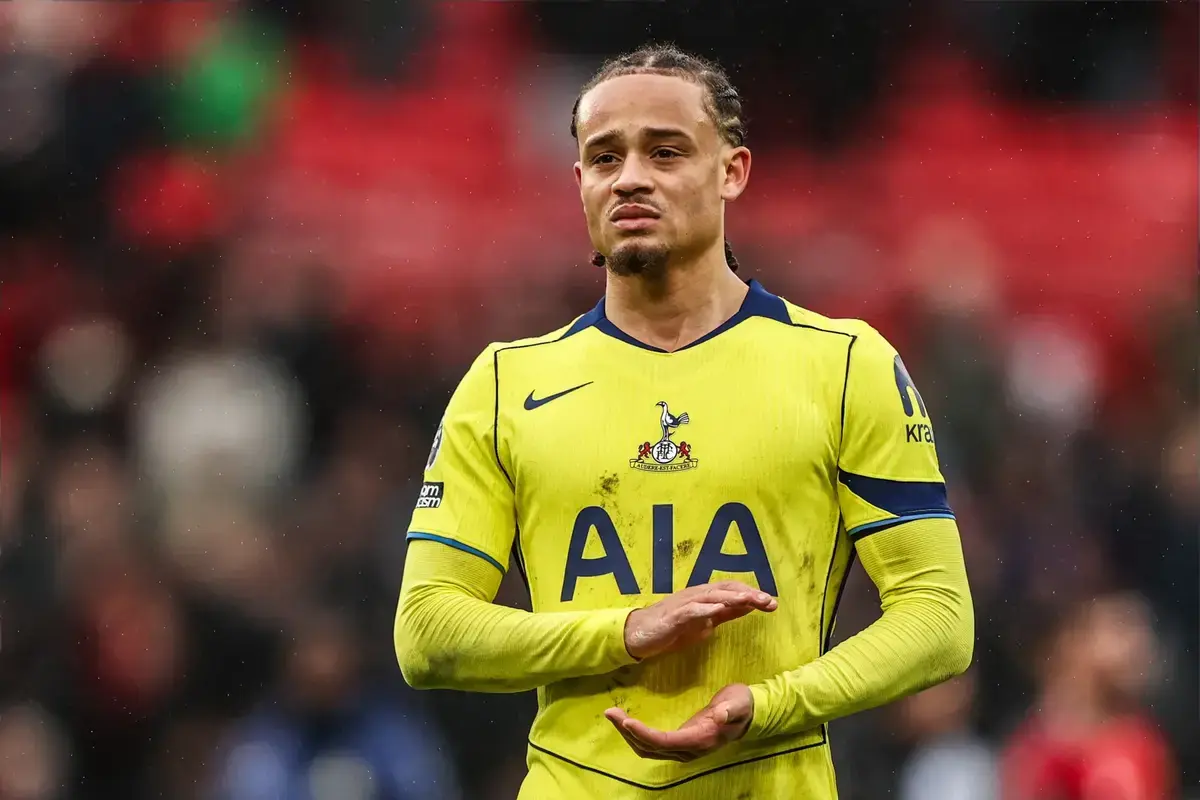

Tottenham Hotspur maintains a relatively conservative wage structure compared to other Premier League “Big Six” clubs, emphasising financial sustainability under owner ENIC and former chairman Daniel Levy.
This approach prioritises bonuses, performance incentives, and long-term contracts for young talent over inflated base salaries for star players. As of September 2025, the club’s total player wage bill is estimated between £101 million and £133 million annually (or £1.94 million to £2.55 million per week), placing it seventh in the Premier League behind Manchester City, Manchester United, Arsenal, Chelsea, Liverpool, and Aston Villa.
This is more than £100 million below Arsenal’s wage spending, according to Deloitte’s Football Money League report, and has drawn criticism for potentially hindering top-four finishes and trophy challenges. However, Spurs’ model has allowed investments in infrastructure like the Tottenham Hotspur Stadium, and the club boasts one of the lowest wage-to-turnover ratios in the league (around 50-60%).
The structure includes:
Base Salaries:
Fixed weekly pay, often lower than rivals, to control costs.
Bonuses and Incentives:
Tied to appearances, goals, clean sheets, team achievements (e.g., Champions League qualification), and individual performance, which can increase effective earnings by 20-50% for key players.
Contract Lengths:
Emphasis on 4-6 year deals for emerging players (e.g., Destiny Udogie and Pape Mateta until 2030) to build loyalty without immediate high costs.
Overall Philosophy:
Focus on “balanced” spending, with an average squad salary of around £85,000 per week. About 7-8 first-team players earn over £100,000 weekly, while youth and fringe players are on £20,000-£50,000. This has been described as “stingy” by fans but sustainable, avoiding Financial Fair Play issues seen at rivals like Chelsea.
For non-playing staff (e.g., administrative, coaching, and operations roles), wages are more standardised, with all permanent employees earning at least the London Living Wage (£13.15 per hour or ~£27,000 annually as of 2025). The club employs over 1,000 staff across its stadium, academy, and foundation, with compensation rated 3.5/5 by employees for including benefits like health insurance and community programs.

Key Insights on Players:
Highest Earners:
Xavi Simons and Cristian Romero (£200,000/week) reflect investments in youth and defense. Romero’s deal includes leadership bonuses post-Son exit.
Underpaid Stars: Players like Micky van de Ven (£50,000) and Pape Matar Sarr (£50,000) are seen as bargains but may seek raises soon. Fans argue Romero and others deserve £200,000+.
High-Risk Deals:
Richarlison’s bonuses (e.g., for goals/Europa League success) pushed his 2024/25 effective wage higher.
Total Bill Breakdown: ~60% on core starters (£1.5m/week), 30% on backups/youngsters (£0.7m/week), 10% on loans/unconfirmed.
Bonuses could add £20-30 million annually if and when Spurs qualify for the Champions League.
Key Insights on Staff:
Compensation Rating:
3.5/5 stars; praised for work-life balance and community impact (e.g., via Tottenham Hotspur Foundation), but some cite “draining” London location and potential salary drops for relocations.
Coaching and Backroom:
Manager Thomas Frank earns ~£100,000/week (£5.2 million/year), with assistants ~£50,000-£80,000/week. Academy staff start at £30,000-£50,000.
Diversity and Growth: Spurs emphasises equal access and personal development, with roles in tech, media, and sustainability. No major controversies, unlike player wages.
Challenges and Future Outlook
Tottenham’s structure supports profitability (e.g., £500+ million revenue in 2024/25) but faces scrutiny for lagging rivals—Aston Villa overtook them in wage spending, and Newcastle may soon follow. Fan discussions on platforms like Reddit highlight frustration, with calls for £200,000+ for stars like Romero to attract talent without “miracle” recruitment.
Upcoming contracts (e.g., Maddison in 2028) and potential sales (e.g., Werner) could adjust the bill.