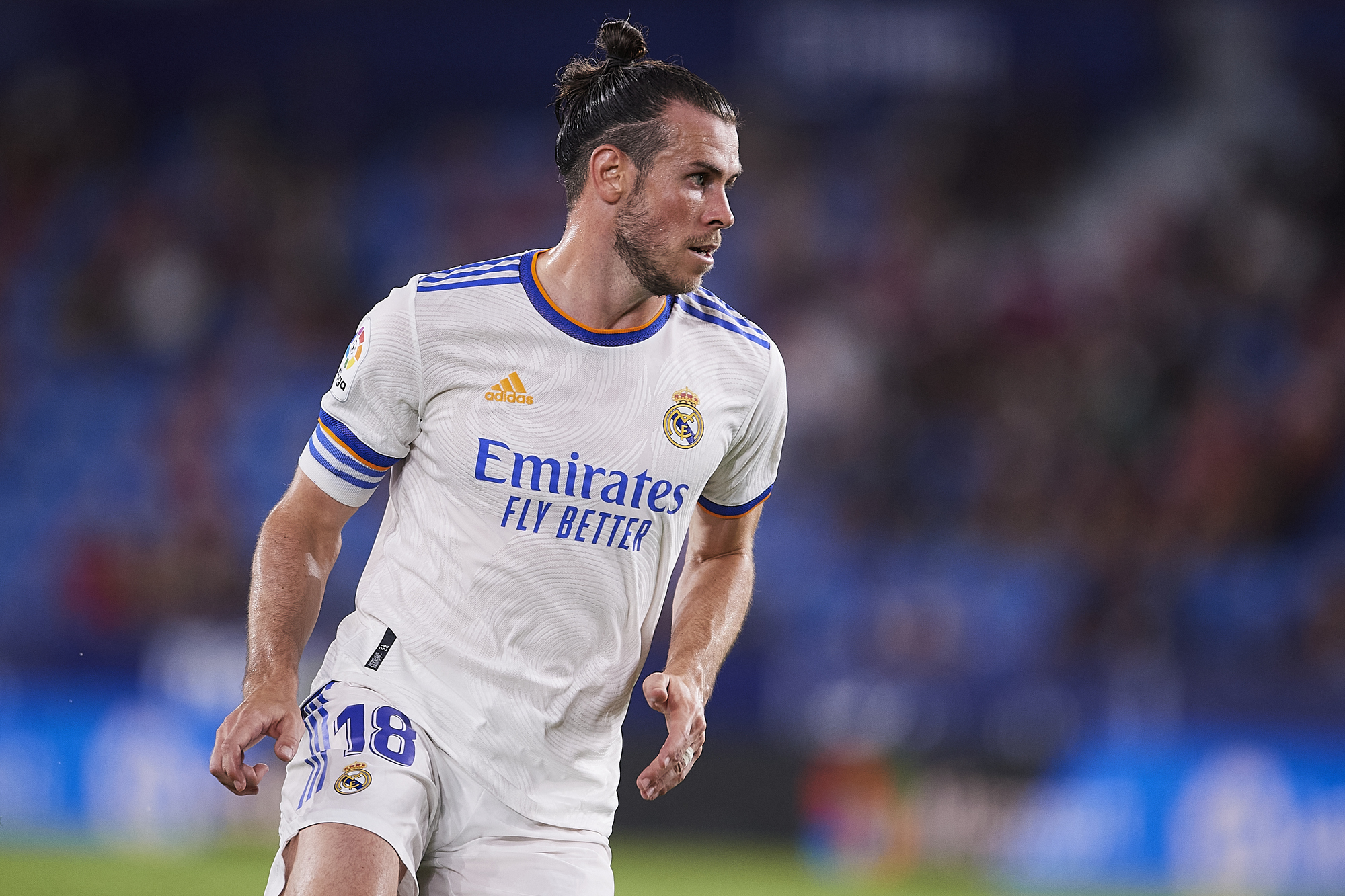
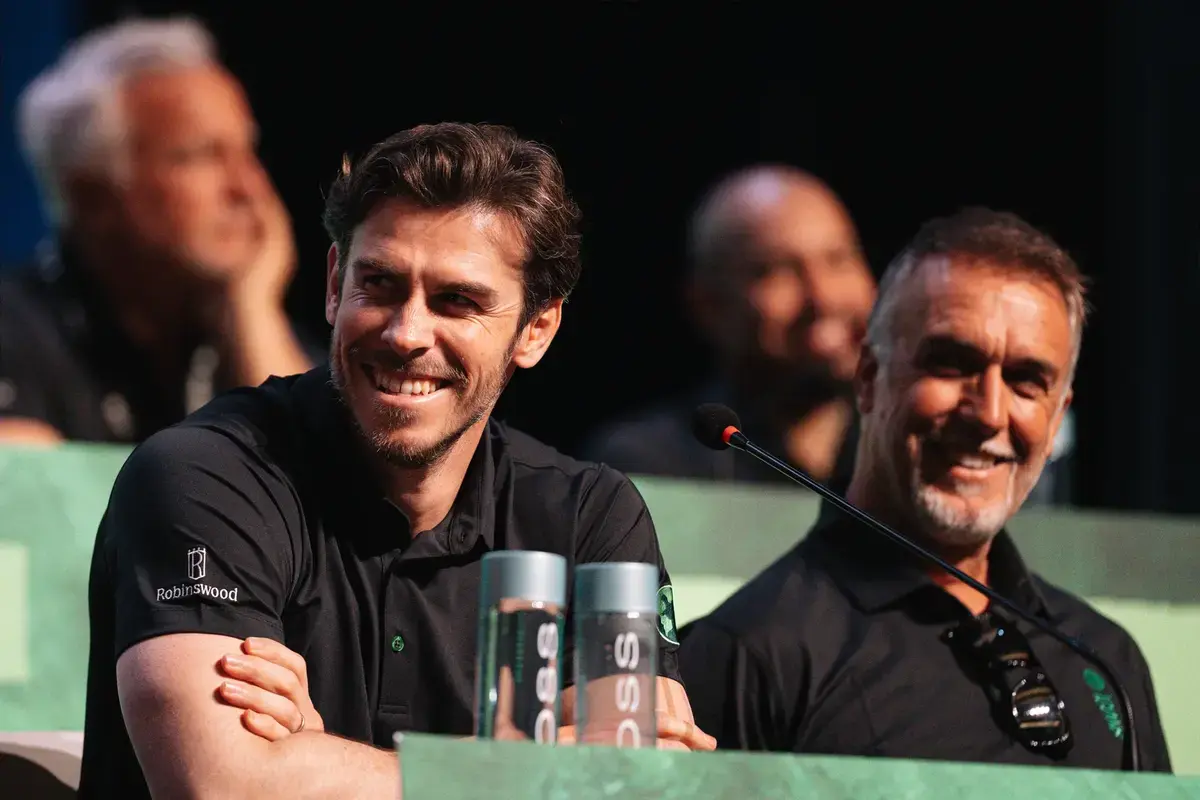
Gareth Bale was extremely important to Tottenham Hotspur—one of the most transformative and iconic players in the club’s modern history. He joined Spurs from Southampton in 2007 for around £7 million as a promising left-back, but his early years were tough.
Bale famously went winless in his first 24 appearances for the club (a “bad luck charm” stigma at the time), but he steadily improved, shifting to a more attacking left midfield/forward role under managers like Harry Redknapp. Bale’s peak at Tottenham came in the early 2010s, especially the 2012/13 season, when he was arguably the best player in the Premier League. He won the PFA Players’ Player of the Year and FWA Footballer of the Year awards that year—despite Spurs finishing 5th or 6th in the league (no title challenge). That individual dominance highlighted his personal impact far beyond team results.

The Welshman’s stats across two spells at Spurs (2007–2013 and a 2020/21 loan return) are solid:
Over 230 appearances (exact figures vary slightly by source, but ~166 in the Premier League alone across his main stint).
Around 50–55 goals and 20–25 assists in the Premier League for Spurs.
He scored stunning long-range screamers, hat-tricks, and match-winning goals, often carrying the team in big games.
Iconic moments include: The incredible solo run and finish against Inter Milan at the San Siro in the Champions League (2010/11), announcing him on the European stage.
Multiple long-range rockets and free-kicks. His 2012/13 campaign full of unstoppable performances, including nine goals from outside the box in the Premier League (a record at the time).
Overall, he became Spurs’ talisman, dragging them into top-four contention and European qualification consistently.
Bale’s legacy at Spurs is huge:
He put Tottenham on the map as a destination for elite talent before his £85–100 million world-record move to Real Madrid in 2013.
Many fans and pundits rank him among the greatest players in the club’s history (often in the top tier alongside legends like Danny Blanchflower or Jimmy Greaves, and modern ones like Harry Kane).
Even after his Madrid success (five Champions Leagues, iconic moments like the bicycle kick), he has spoken fondly of Spurs as “such a big club” with an “amazing relationship with the fans.”
His 2020/21 loan return was mixed (some moments of brilliance but limited overall impact and controversy), but it didn’t erase his earlier hero status.
In short, Bale wasn’t just important—he was a game-changer who elevated Tottenham’s profile, produced unforgettable individual brilliance, and remains a beloved figure for many supporters despite later career twists. Without his peak years, Spurs’ trajectory in the 2010s (including pushing for top-four consistency) would have looked very different.